ABC Dumplings Journal
Walking Markets, Dumpling Stops and foot massage: A Reflexology-Inspired Day
Plan a walking food day with foot massage, markets, dumpling stops, reflexology context, hydration, shade breaks and smarter city pacing in Bangkok well.
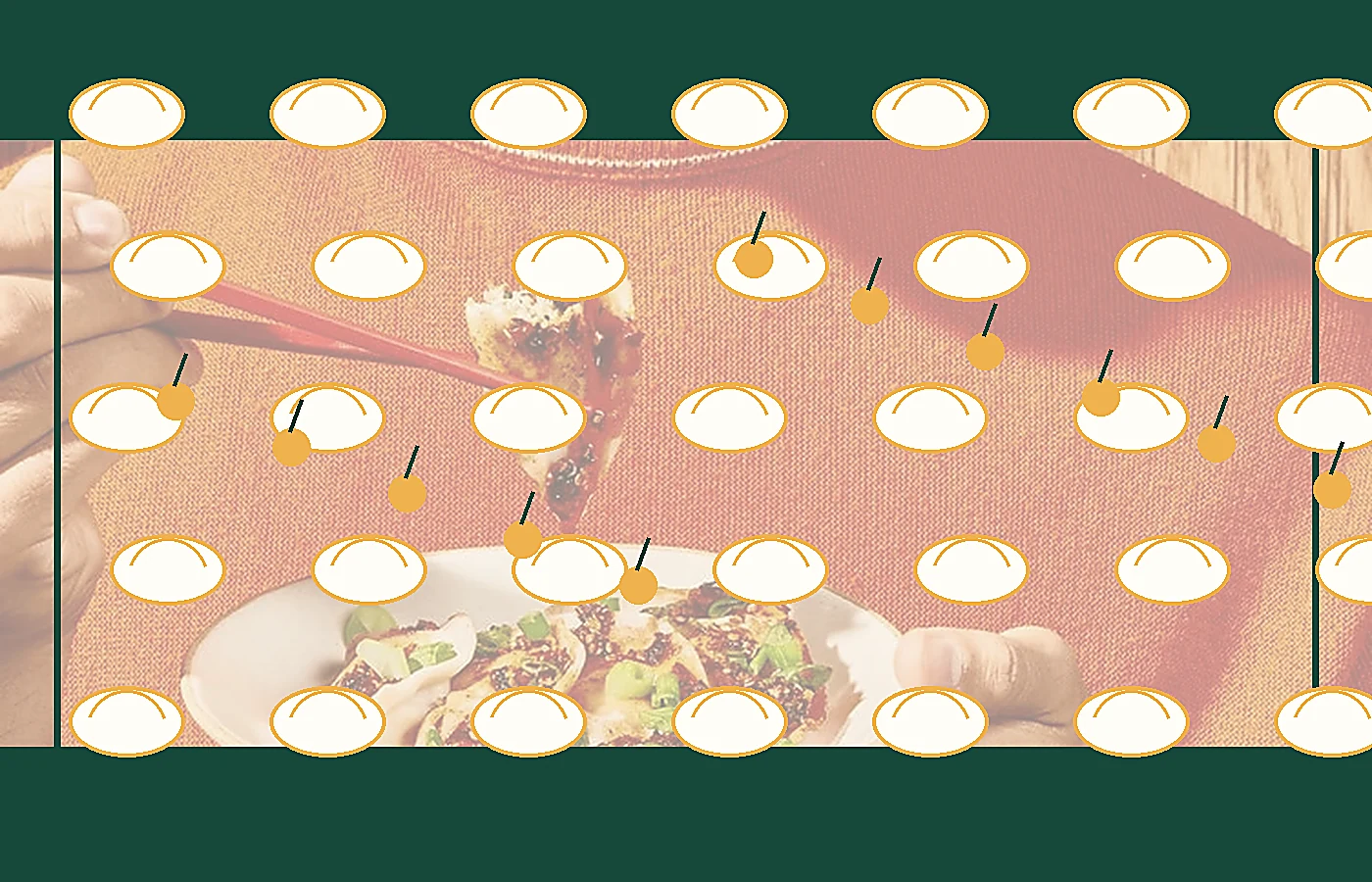
This guide connects ABC Dumplings' food-first world with a walking-focused food day that uses foot recovery, hydration and reflexology context to make markets more enjoyable. It is written for travelers who love food walks but want to avoid ending the day sore, dehydrated and impatient. The goal is to make the connection useful, not decorative: the article gives the reader a practical route, a decision framework and enough context to understand why the topic belongs beside food, comfort and city life.
Why this angle belongs on the journal
A walking-focused food day that uses foot recovery, hydration and reflexology context to make markets more enjoyable might look adjacent to dumplings at first glance, but it sits naturally inside a food-led lifestyle publication when the bridge is clear. ABC Dumplings already speaks about comfort, clean ingredients, memory, freezer convenience and hosting. This article extends that world toward travelers who love food walks but want to avoid ending the day sore, dehydrated and impatient. The result is not a random detour. It is a reader-first guide where the linked subject supports a broader question: how do people eat, move, rest, work and make better decisions in Bangkok or between cities?
Reader expectations and practical needs
Someone reading this topic is not only looking for a brand name. The need is practical: they want context, confidence, timing and a reason to choose one option over another. For this article, the reader is travelers who love food walks but want to avoid ending the day sore, dehydrated and impatient. The content therefore has to answer the real situation. It should explain the moment, describe the experience, list selection criteria and show how the choice fits into a normal day. That is how a related recommendation can still read like useful editorial content instead of a forced placement.
The natural bridge from food to lifestyle
Foot recovery belongs because market eating is physical: standing, walking, stairs, heat and uneven pavements shape appetite. Dumplings help because they are compact symbols of hospitality: warm, shared, easy to serve and connected to family memory. The article can move outward from the plate without losing its center. A good paragraph should make the reader feel the transition: first the table, then the city, then the service or decision that improves the day. The connection matters because readers trust a page when the ideas fit naturally, not when a phrase is repeated without context.
A scene the reader can imagine
Picture the setting: Bangkok market alleys, comfortable shoes, dumpling stall, cool tea, reflexology chair and evening street lights. That concrete scene gives the article texture. It prevents the copy from becoming a generic list and helps the related recommendation sit inside a plausible moment. The strongest lifestyle articles often work because they feel like a route, not a brochure. The reader can imagine the temperature, the table, the neighborhood, the timing and the small decision that makes the rest of the day easier.
Practical framework for the day
The framework should be simple enough to remember and flexible enough to adapt. For this topic, the useful rhythm is:
- Wear shoes that can handle markets.
- Alternate standing snacks and seated meals.
- Hydrate between stops.
- Schedule recovery before dinner.
- Keep the final route short.
How to use the framework
Do not try to do everything. Choose the two or three steps that solve the real friction in the day: heat, timing, hunger, fatigue, presentation, budget, trust or transport. The article earns its length by helping readers make a better plan, not by stacking decorative descriptions.
How to choose well
Choice quality matters. Readers need criteria that feel concrete, not vague. A strong decision checklist for this article includes clean seating, clear duration, comfortable pressure, quiet enough to rest and location near the walking route. Each criterion can become a short paragraph, a comparison table or a FAQ if the page is expanded later. For now, the editorial goal is to make the reader feel oriented. They should leave knowing what to ask, what to avoid and why the decision belongs in the same lifestyle ecosystem as food, hospitality and travel comfort.
What to avoid
The article presents reflexology as wellness context, not as a substitute for medical evaluation of pain or injury. The copy should also avoid shallow superlatives, forced detours and pasted promotional claims. The body can then focus on neighborhoods, habits, sensory details, decision criteria, trust cues and adjacent questions. This makes the page more readable and more likely to feel like a real article rather than a detached recommendation.
Business, travel and wellness layer
The wider editorial layer is what makes the article useful beyond the immediate recommendation. In Bangkok and international lifestyle content, people rarely make one isolated decision. They combine meals, meetings, walking, treatments, shopping, grooming, sleep, transport and reputation. That is why the subject can sit in a broad cocoon covering wellness, lifestyle, travel and business. The article should speak to that blended reality: not just what to do, but how the choice changes the rest of the day.
Further reading and useful context
Related ABC Dumplings ideas include Bangkok Food Tour by Foot; Market Snacks and Dumpling Comfort; How to Pace a Long City Day. These themes can help readers move from one practical question to the next without losing the food-first center of the journal. Useful background references include Reflexology on Wikipedia and Bangkok on Wikipedia. They are most helpful when they clarify cultural, travel, policy or general background for the reader.
Visual cues that support the story
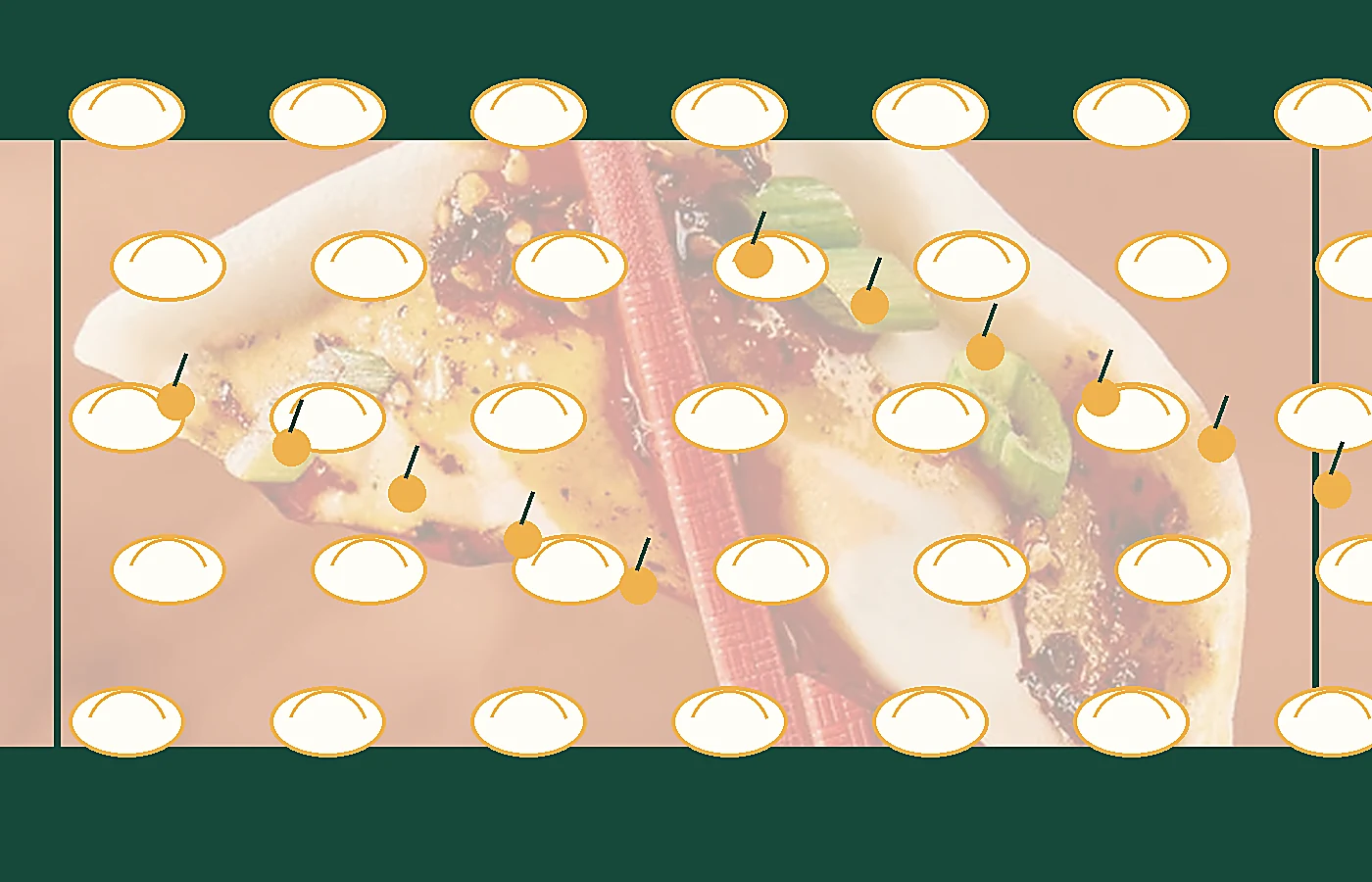
The visuals should not feel like stock filler. They need to show Bangkok market walking day with dumplings and foot recovery with real surfaces, believable light and human context. A strong opening image establishes the lifestyle scene after the introduction. A second image in the middle of the guide can bring the reader closer to the practical details: objects, hands, food, rooms, timing and atmosphere. The page should feel specific, calm and credible.
Related questions to keep in mind
A useful guide should answer more than one narrow question. Around this article, readers may also wonder about walking food day recovery, Bangkok lifestyle planning, comfort food, guest experience, travel pacing, clean routines, provider selection and trust signals. These variations give the article a natural range without making the copy stiff. The article should feel broad enough to answer related questions, but focused enough that the reader still knows what practical decision the page is helping them make.
Reader checklist before acting
Before the reader clicks away, the article should leave them with a compact checklist they can actually use. First, define the occasion: a quick lunch, a slow travel day, a family visit, a founder decision or a self-care reset. Second, match the choice to a real constraint such as heat, timing, budget, group size, trust, ingredients or distance. Third, keep one food moment at the center so the page still feels anchored in the ABC Dumplings universe. Fourth, compare providers or routes with calm criteria instead of impulse. Finally, save one next step: book, plan, cook, ask, review or share. That practical finish makes the article useful as editorial content and more helpful as a guide.
Next step without hard selling
The related recommendation should feel earned by the time the reader reaches it. The cleanest path is editorial: define the problem, show the context, give criteria, name risks, then invite the reader to plan the next step. This tone is especially important on a food and lifestyle blog, where readers come for warmth and usefulness rather than pressure. If the article helps them imagine a better day, a calmer decision or a more reliable business process, the recommendation feels like a useful doorway instead of an interruption.
Conclusion and call to action
The conclusion should bring the article back to the reader's next step. If the person is planning a day, they should save the framework. If they are comparing providers, they should use the criteria. If they are a founder or operator, they should translate the lesson into a repeatable system. ABC Dumplings remains the editorial home because the brand stands for food that is practical, warm and intentional. The best call to action is therefore simple: plan the day around comfort, make one decision better, and keep the meal at the center.