ABC Dumplings Journal
Food Allergen Recall Guide for Gluten-Free Frozen Food Shoppers
Learn how gluten-free frozen food shoppers can read allergen labels, match recall details, and build a calm, practical package-checking routine.
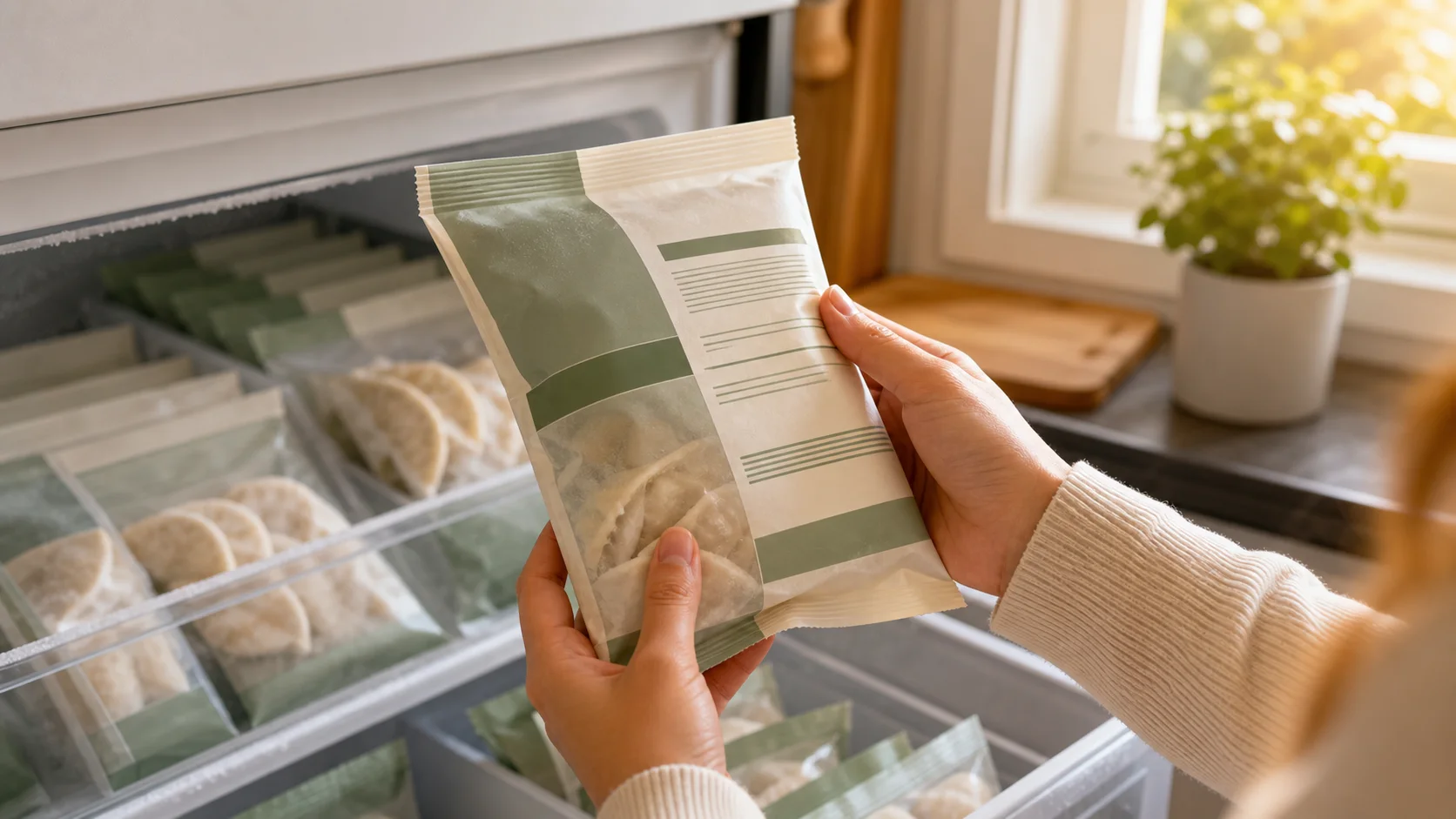
A recall headline can make an ordinary grocery shelf feel suddenly uncertain. For people managing celiac disease, food allergies, sensitivities, or several needs at one table, the instinct may be to scan a familiar front-of-pack phrase and move on. A better response is slower and more specific: identify what the claim on the front actually covers, read the full label, match the exact package, and follow the current notice for that product. The recalls discussed below involve chocolate products. They are used here as a practical lesson; this is not an ABC Dumplings recall notice. The lesson still matters in a frozen-food aisle because any packaged-food decision can involve several separate questions: Does the product meet a gluten-free standard? Does it list an allergen relevant to the shopper? Is the package part of a current recall? Can a host serve it within the boundaries of every guest's needs? A calm routine helps keep those questions separate. This guide turns official source material into a reusable shopping and hosting method. It is general information, not medical advice. Anyone with a diagnosed allergy or celiac disease should follow their clinician's guidance and the current instructions from the product manufacturer or responsible authority. For related practical guidance, plan an allergen-aware gluten-free dumpling night, understand what makes a clean-label dumpling, and follow a freezer-aisle-to-home cold-chain routine.
Why an undeclared-allergen recall is really a label-system lesson
In the Winfield notice, the firm recalled dark chocolate products because milk had been omitted from the ingredient label. A separate FDA notice covered certain dark chocolate coconut almond bites because of possible undeclared peanut. The products and circumstances were different, but both notices show why a shopper's decision depends on accurate information being connected to the right package.
For a practical reader, the useful takeaway is not that every label is unreliable. It is that a label is part of a wider information system. The package in hand, the ingredient panel, an allergen declaration, the product name, the producer, the date information, and any lot identifier all help establish whether a notice applies. When a recall appears, a vague memory of the flavor or brand family is not enough. The safest useful action comes from matching details.
This also explains why panic is a poor sorting tool. A recall notice is designed to narrow the scope: a named product, a reason, identifiers, distribution information, and consumer instructions. Treat those fields like a checklist. First isolate the item. Then compare the package with the notice. Finally follow the instruction stated for the affected product. That sequence is more dependable than assuming that every similar product is involved or, at the other extreme, deciding that a familiar-looking package must be fine.
The same mindset improves routine shopping before any recall occurs. A shopper who already knows where the ingredient list, allergen statement, lot information, and manufacturer contact appear will be faster and more precise when new information arrives.
Gluten-free and allergen-aware are related, but not interchangeable
The FDA has defined the term gluten-free and established conditions for its voluntary use on food labels. A food bearing that claim must comply with the FDA regulation governing it. That makes the phrase meaningful, but it does not turn the front of the package into a complete summary of every dietary consideration.
Gluten is one question. Milk, peanut, egg, sesame, soy, tree nuts, fish, and shellfish are other questions. A shopper may need to ask only one of them, or several at once. The efficient habit is to treat each need as its own lane instead of letting one reassuring claim answer everything. A gluten-free claim should prompt the question, “Does this product meet my gluten-related requirement?” The ingredient and allergen information should prompt a separate question, “Does this package contain or declare anything that matters for my allergy plan?”
That separation is especially helpful for hosts. A product can fit one guest's gluten-free preference while being unsuitable for another guest with a different allergy. Conversely, an allergen statement that works for one person says nothing by itself about gluten. Avoid collapsing a table of individual needs into a single category such as “special diet.” Ask what each person actually needs and how strictly they manage shared utensils, cooking surfaces, sauces, and garnishes.
For frozen dumplings, the same logic extends beyond the dumpling bag. A dipping sauce, garnish, broth, crisping oil, or side dish may introduce a separate label. Build the whole plate from verified components. If a need is medical or a label is unclear, pause and use a safer option rather than improvising an interpretation.
A front-of-pack claim is a starting point
Front-of-pack language helps shoppers orient themselves, but the decision belongs to the whole package. Turn the bag over. Read the ingredient and allergen information every time, including on a familiar product, because packaging and formulations can change. Then look at preparation directions and any statements relevant to the way you plan to cook or serve it. A strong routine is deliberately repetitive: claim, ingredients, allergen information, identifiers, instructions.
Read the label in a repeatable sequence
FDA guidance says shoppers with food allergies should read all ingredient information on the label. The agency describes nine foods, and ingredients containing their proteins, as major food allergens. Those facts support a simple discipline: do not stop after spotting one expected word or one separate contains statement. Read the entire ingredient information relevant to your needs.
Start with identity. Confirm the product and flavor because adjacent packages can look similar. Next read the complete ingredient list at a comfortable pace. Then review the allergen declaration and any relevant advisory language. Move to the preparation panel, since the cooking method may affect whether the product fits the meal you are planning. Finish by locating the package identifiers and manufacturer contact before the bag goes into the freezer.
This order reduces two common errors. The first is confirmation reading: finding the claim you hoped to see and unconsciously skipping the rest. The second is memory reading: assuming the current package is the same as the one bought last month. A short sequence interrupts both habits. It also gives households a shared method, so a partner, grandparent, sitter, or older child knows what “please check the label” actually means.
When the print is difficult to read, use bright light or a phone magnifier. If the panel is damaged, folded under a seam, covered by a sticker, or otherwise unclear, do not guess. Choose an intact package or contact the manufacturer through a verified channel. For online orders, review the product information when placing the order and check the physical package again on arrival. The physical label and the current notice are the final comparison points for the item you actually received.
Turn label reading into a household script
A useful script is short enough to remember: name the need, read the whole panel, match the package, and ask when uncertain. Put the need first because different people may be checking for different things. Read aloud when another person is helping. If the answer is ambiguous, set the item aside rather than letting hunger or a busy kitchen create pressure to decide quickly.
Match the package, not just the product idea
The second notice says affected packages could be identified by lot code and best-by date. That detail illustrates a larger rule: recall scope often depends on identifiers more precise than a brand name or product family. A shopper should compare the exact package with the exact notice.
Begin with the product description and package size. Then locate the lot, batch, or date information described in the notice. Compare characters one by one, including letters, because a near match is not a match. Check whether the distribution location or retailer information is relevant. If an outer carton contains individually wrapped items, retain the outer packaging until the food is used; the most useful identifier may not appear on every inner piece.
Photographing the front, ingredient panel, and identifier area can make later checking easier, particularly for products divided into freezer containers. Keep the original bag or cut out the labeled panel if you decant food for space. Add a plain freezer label with the product name and purchase window, but do not let a handwritten note replace the original identifiers.
If the notice and package still do not resolve the question, use the consumer contact supplied in the official notice or on the product. Describe exactly what you see rather than asking whether “the chocolate one” or “the dumpling bag” is affected. The goal is traceability, not reassurance. A precise question gives the company or authority a better chance of giving a precise answer. Until then, isolate the item from food you plan to serve.
Build a freezer routine before you need it
Frozen food is convenient partly because it waits. That same strength can make packages easy to forget. A bag may sit behind newer groceries while a recall is announced, a label is updated, or the household loses track of when and where it was purchased. A light inventory habit keeps convenience from becoming confusion.
Group foods in a way your household understands. Keep allergen-sensitive items in a clearly defined area when separation is part of your plan. Face key labels outward where possible. Avoid loose, unmarked inner bags. When transferring food to a container, preserve the product name, ingredient and allergen information, cooking directions, and identifiers. The aim is not a perfect catalog; it is to retain enough information to make a safe decision later.
Choose a regular moment to review the freezer, perhaps before grocery ordering or meal planning. Look for damaged packages, unreadable labels, abandoned portions, and products nobody can identify. Use older suitable items first and discard anything that cannot be evaluated confidently. If you hear about a recall, search the freezer and pantry together because the same packaged item may be stored in more than one place.
A receipt or order history can add useful context, but it should support package matching rather than replace it. Retailer alerts can help surface a concern, while the official recall notice supplies the details to compare. In a shared home, tell everyone where isolated products will be placed so an item under review is not accidentally returned to circulation. A simple “do not use” container can buy the time needed to verify.
Host an allergen-aware dumpling night without overpromising
Good hosting begins before the pan heats. Ask guests privately whether they have allergies, celiac disease, sensitivities, or preferences you should know about. Invite specific answers and make it easy for someone to decline a dish. Do not promise that a meal is safe for every person merely because one packaged component carries a gluten-free claim.
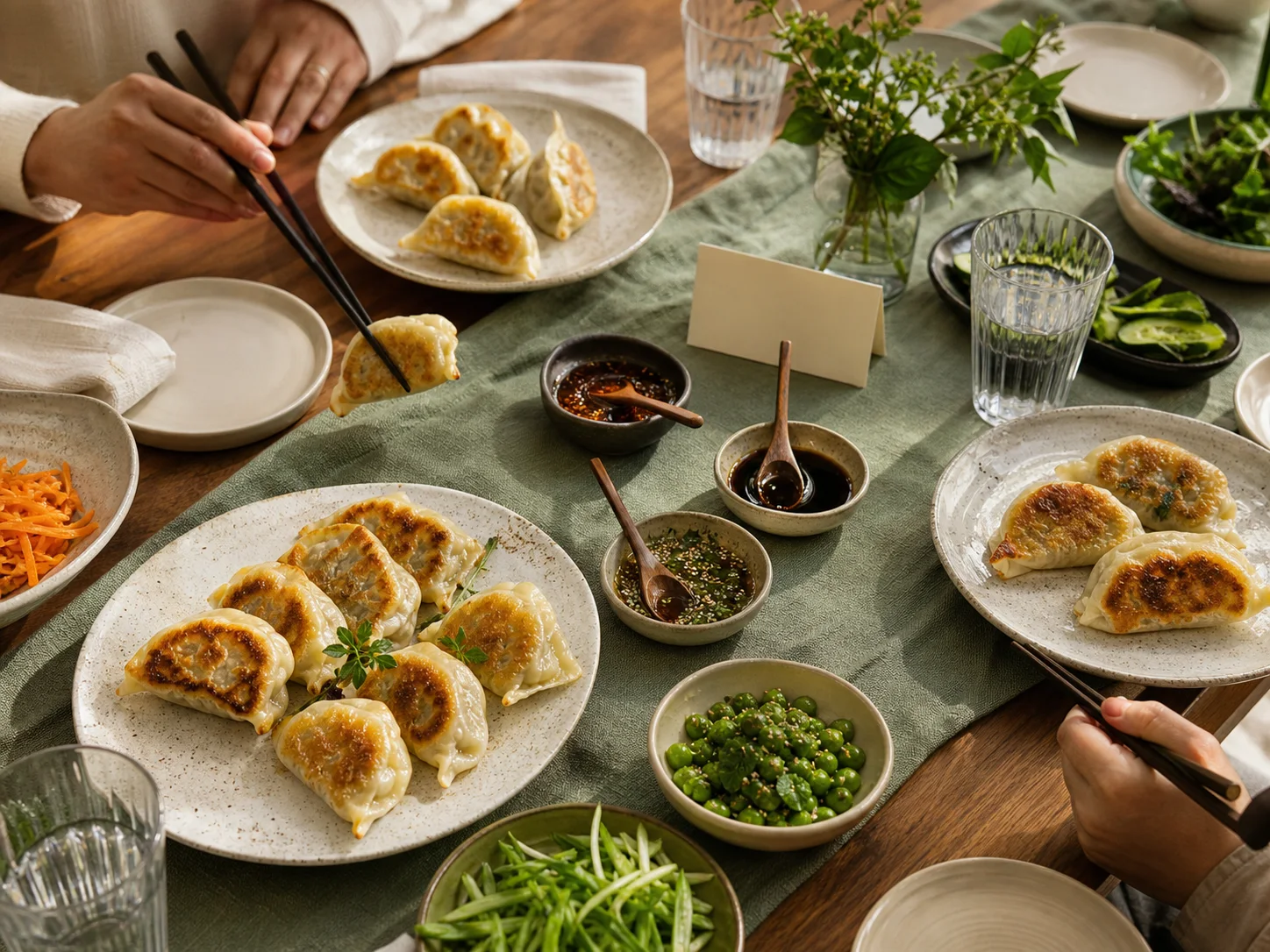
Keep each package available for guests who want to read it. Present sauces and toppings separately, with their labels or ingredient information close by. Use dedicated serving utensils where your plan calls for separation, and avoid moving one spoon between bowls. If the kitchen cannot meet a guest's requirements confidently, say so early and welcome a food or serving arrangement they trust. Clear boundaries are more hospitable than vague reassurance.
Plan the menu as a set of components. The dumplings are one component; the cooking fat, dipping sauce, broth, crunchy topping, salad dressing, and dessert are others. Verify each component against the guest's stated needs. A visually simple menu often makes this easier: fewer sauces, fewer shared garnishes, and a clearly identified plate can reduce confusion without making the meal feel clinical.
During cooking, keep packages until service is complete. If a question arises, you can return to the source instead of relying on memory. After the meal, preserve the label with leftovers. This is particularly useful when food moves into an unmarked container. Hospitality is not about achieving impossible certainty. It is about listening, checking, communicating what you know, and refusing to fill gaps with assumptions.
What retailers and food brands can learn from the same routine
The shopper's checklist has an operational mirror. Retailers and food brands benefit when product identity, allergen information, package codes, and consumer contacts are easy to find. Clear information supports confident purchasing on an ordinary day and faster isolation when a notice appears.
On a freezer shelf, make sure price tags and merchandising do not cover key package information. Train staff to direct recall questions to the current notice and the appropriate responsible team, rather than improvising an answer. When removing affected stock, match identifiers carefully and record what was checked. If a customer asks about a similar but different product, explain the documented scope and point them to the source.
For online listings, keep product imagery and label information current, while reminding shoppers to verify the package delivered. A clean product page can support discovery, but it cannot substitute for the physical package when production details vary. Recall messaging should be dated, specific, easy to find, and consistent across customer service, store teams, and digital channels.
Brands can also design for real kitchens. Put essential information where it remains legible after the bag has been opened. Make lot and date codes high-contrast and explain where to find them. Give customers a contact route that works. These choices are not decorative extras; they reduce friction at the moment someone needs to decide whether to eat, isolate, return, or discard a product. Trust grows when the information path is calm, direct, and usable.
Respond to a recall with a calm, documented sequence
When a relevant alert reaches you, open the current official notice rather than relying on a social post or screenshot. Confirm the product identity and the reason for the notice. Retrieve the package, compare every identifier described, and check all storage locations. If the package matches, isolate it immediately and follow the notice's consumer instructions.
The Winfield notice advised consumers with milk allergy or sensitivity who had purchased the affected products to discard them or return them to the place of purchase. That instruction belongs to that notice and should not be generalized to every recall. Another notice may direct a different action, so read the current consumer section each time.
Keep a brief record if the household manages several products or people. A photo of the code, the notice link, the action taken, and the date checked can prevent duplicate work. Retailers and food-service operators may need a more formal log aligned with their own procedures. If anyone may have experienced a reaction, prioritize the person's medical plan and professional help rather than spending time completing an inventory.
Finally, close the loop. Tell anyone who shares the food that the item has been isolated or removed. Clean and reorganize only as required by the specific risk and your established allergy plan; do not invent a decontamination protocol from a headline. Replace the product only after verifying the new package. Then keep the routine, even when the news cycle moves on: whole label, exact package, current source, clear action.
Frequently asked questions
Does gluten-free mean a food is free from every major allergen?
No. Treat a gluten-free claim as information about gluten, then separately read the complete ingredient and allergen information for the needs that apply to you or your guests.
What should I compare when checking a recall?
Use the current official notice and compare the product identity, package size, lot or batch code, date information, and any distribution details it names. Follow that notice's consumer instructions.
Should I keep frozen-food packaging after opening it?
Keeping the original label and identifiers is useful until the food is gone. If you transfer the food, preserve the product name, instructions, allergen information, and package codes with it.
How can I serve frozen dumplings to guests with different needs?
Ask each guest what they need, verify every component, keep labels available, separate utensils when required, and be honest if your kitchen cannot meet a medical requirement confidently.
Sources and further reading
- Winfield’s Chocolate Bar Recalls Dark Chocolate Products Due to Undeclared Milk
- Bazzini Voluntarily Recalls Certain Lots of SkinnyDipped Dark Chocolate Coconut Almond Bites Due to Undeclared Peanut Allergen
- Have Food Allergies? Read the Label
- Questions and Answers on the Gluten-Free Food Labeling Final Rule