ABC Dumplings Journal
Gluten-Free Dumpling Sauce and Side-Dish Pairing Guide
Build better gluten-free dumpling meals with sauces, sides, cooking methods, allergen-aware cautions and simple freezer-night pairing plans.
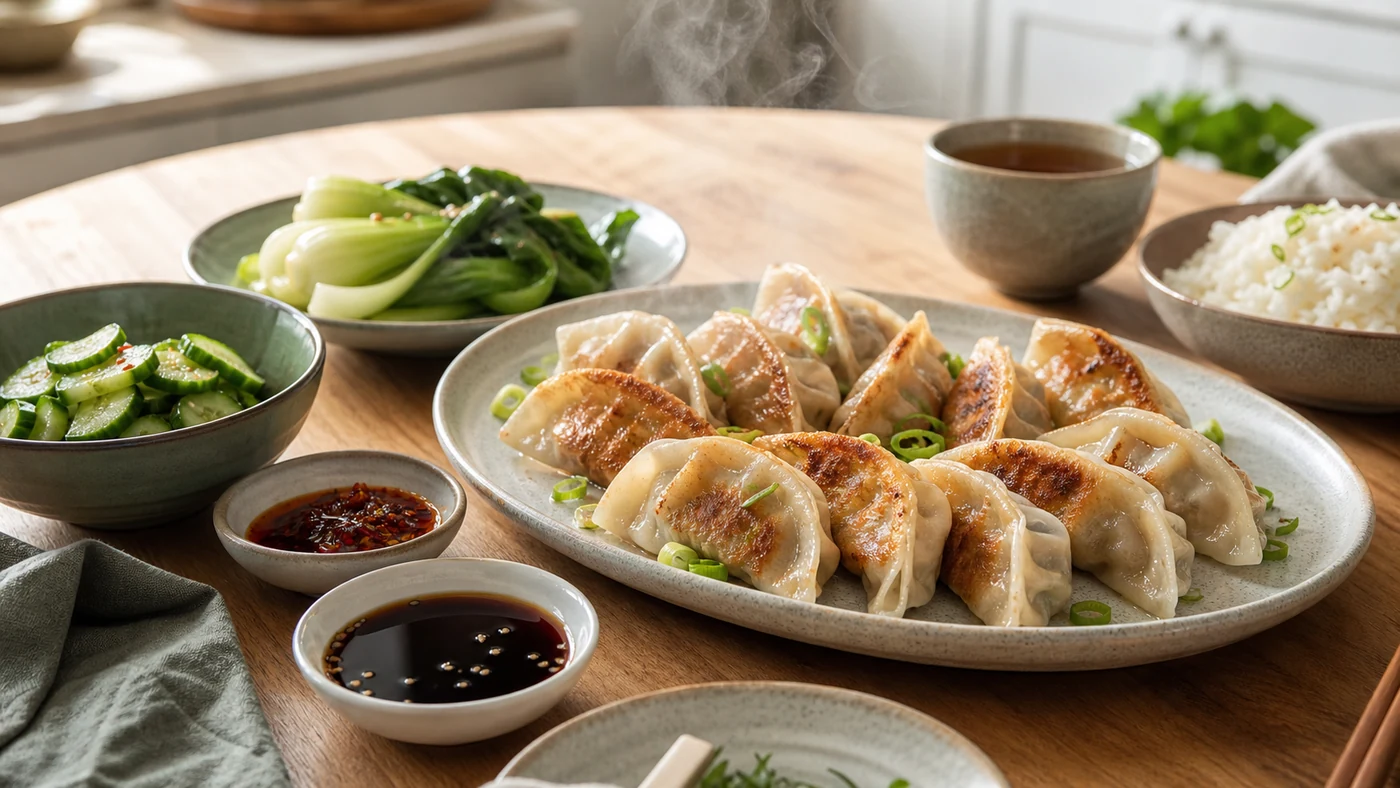
Sauce can make dumplings feel bright, cozy, spicy or clean, but the best sauce does not hide the filling. This guide shows how to pair gluten-free dumplings with sauces and side dishes so dinner feels complete without becoming complicated.
Why pairing matters for gluten-free dumplings
A good dumpling already carries seasoning, texture and memory inside the wrapper. Pairings should make those details easier to notice. That is especially true with gluten-free dumplings, where the wrapper has its own starch structure and can change quickly as it cools. A heavy sauce can make the first bite exciting, then flatten everything into salt and heat. A better pairing strategy gives the dumpling room: one sauce for lift, one fresh side for contrast and one warm side for comfort. ABC Dumplings is built around that kind of balance. The brand's gluten-free dumpling flavors already give the table a clear center; sauces and sides should support the center rather than compete with it.
Start with the filling, then choose the sauce
The easiest pairing mistake is starting with a favorite sauce before thinking about the filling. Organic chicken and chive can handle ginger, scallion, vinegar and a little chili because the flavor is juicy and familiar. Organic pork and chive can take deeper heat, black vinegar-style tang, garlic and toasted sesame when sesame is appropriate for the table. Bok choy, tofu and mushroom does best when the sauce protects the vegetable and shiitake notes rather than smothering them. A mild tamari-ginger dip lets the vegetarian filling stay legible. A rice-vinegar scallion sauce adds brightness. A chili crisp or hot oil should sit on the side so guests can decide how much intensity they want.
Keep gluten-free sauce choices precise
Dumplings labeled gluten-free can still be served with sauces that are not gluten-free. That is why pairing begins with label reading. Traditional soy sauce often contains wheat, while gluten-free tamari or other clearly labeled alternatives may fit households that avoid gluten. The FDA explains that foods using a gluten-free claim in the United States must meet defined requirements, including a less than 20 parts per million gluten threshold when unavoidable gluten is present; the consumer guidance is available at FDA gluten-free labeling guidance. A host should still read the current bottle, check the dumpling package and avoid promising more than the kitchen can control. This is general information, not medical or dietary advice for celiac disease or allergies.
Practical note
For best results, cook only the amount you plan to eat, give each dumpling space and serve while the wrapper is hot. Small technique choices have a larger effect with gluten-free wrappers because the starch blend keeps changing as it cools.
Build a three-sauce tray
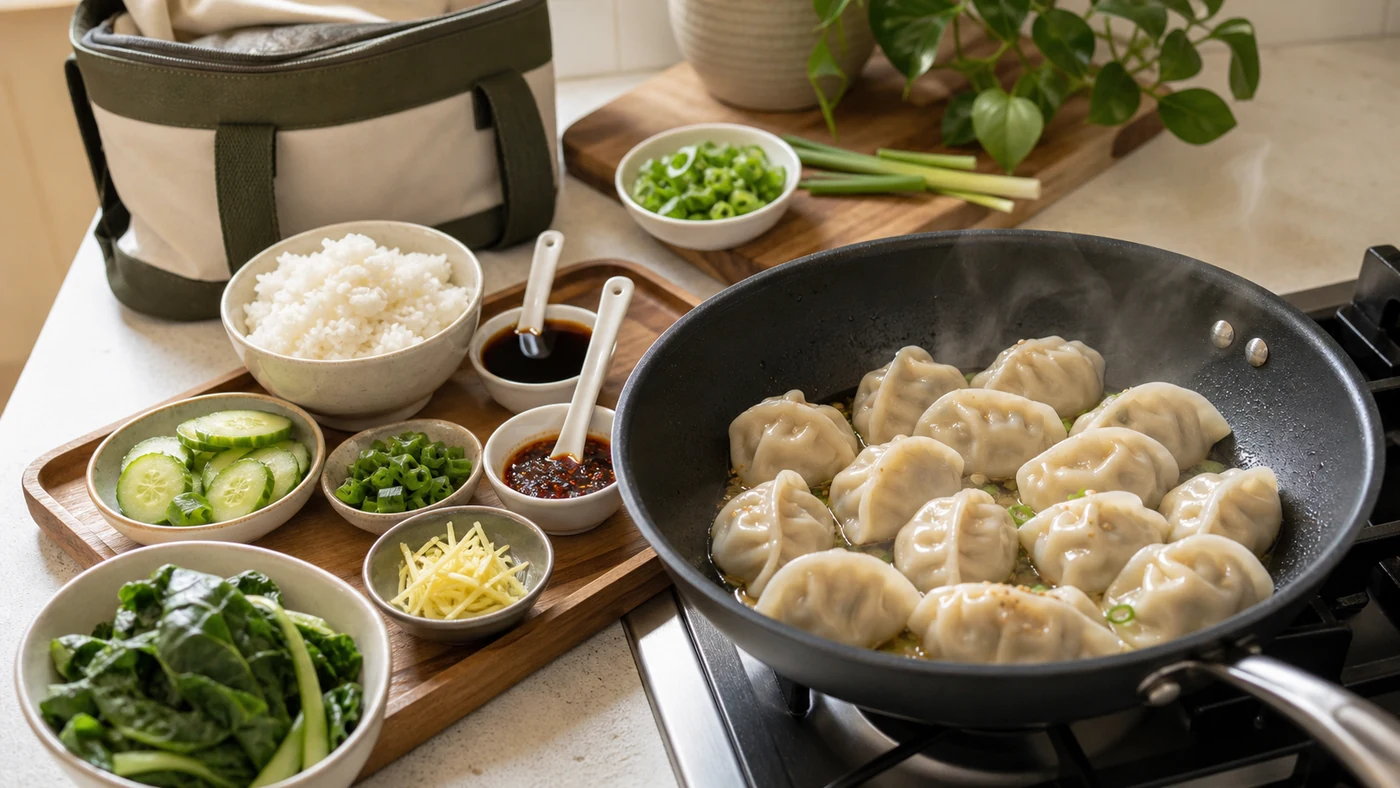
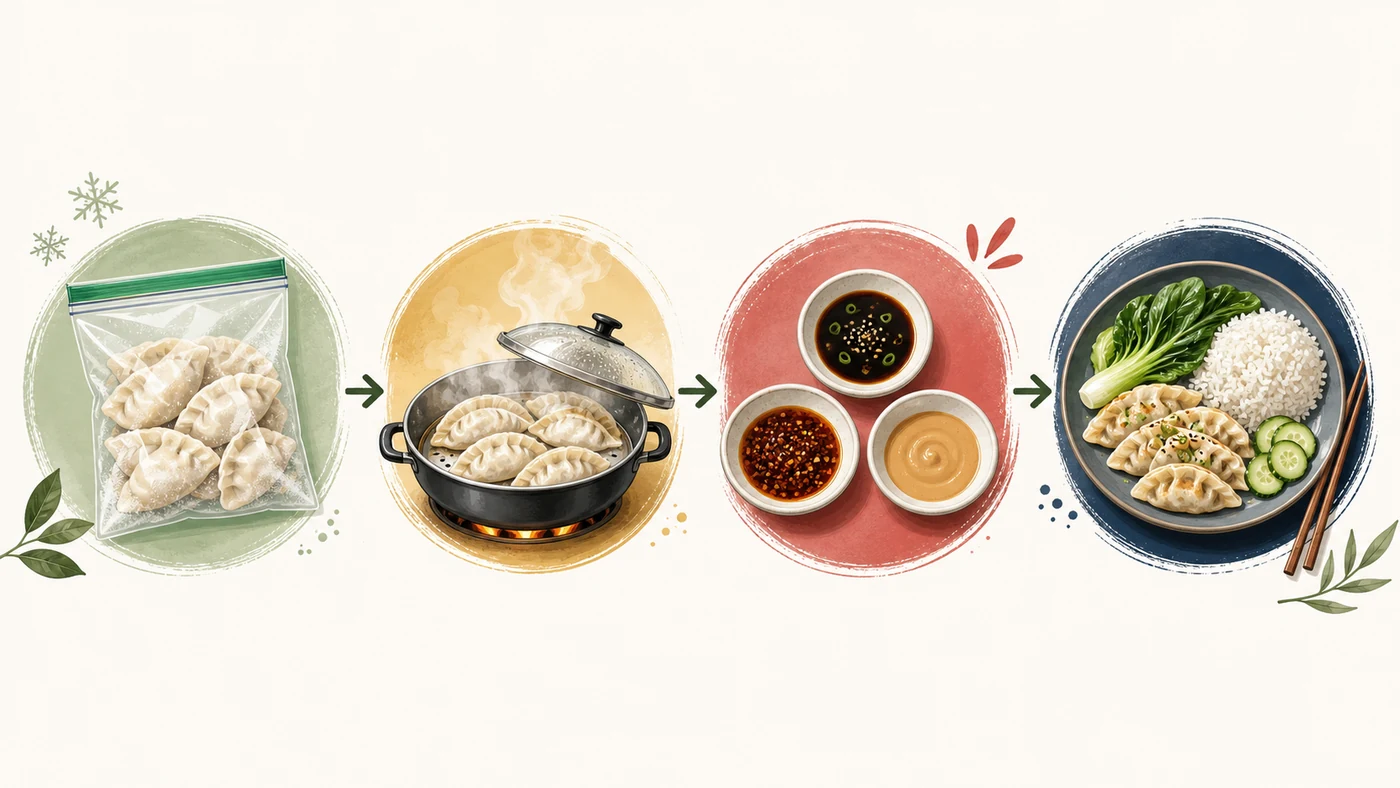
A three-sauce tray is enough for most dumpling nights. Make one savory base, one bright sauce and one optional heat sauce. The savory base can be gluten-free tamari, a little grated ginger, scallion and a few drops of sesame oil if sesame is safe for the group. The bright sauce can use rice vinegar, ginger, scallion and a small amount of honey or citrus. The heat sauce can be chili crisp, chili oil or a homemade garlic-chili spoon sauce, kept separate from the mild bowls. This structure gives variety without turning dinner into a condiment test. Use clean spoons for every bowl and keep sauce portions small so guests dip intentionally instead of drowning the wrapper.
Match sauce weight to cooking method
Pan-fried dumplings can handle slightly richer sauces because the crisp base gives the bite more structure. Steamed dumplings usually want a lighter sauce because the wrapper is tender and the filling is more exposed. Boiled dumplings or dumplings served in broth need restraint; too much dip makes the bowl muddy. A steamed vegetarian dumpling with a mushroom-tofu filling may only need tamari, ginger and vinegar. A pan-fried pork dumpling can take chili, garlic and a little sweetness. A chicken and chive dumpling in broth wants scallions, white pepper, ginger and maybe a separate dipping bowl. Pairing by method keeps the wrapper from feeling heavy and helps every batch taste intentional.
Practical note
For best results, cook only the amount you plan to eat, give each dumpling space and serve while the wrapper is hot. Small technique choices have a larger effect with gluten-free wrappers because the starch blend keeps changing as it cools.
Cook hot before you think about plating
Beautiful sauces cannot rescue underheated dumplings. Cook from frozen unless the package tells you otherwise, and give the dumplings space in the pan, steamer or pot. For meat fillings, use a food thermometer when practical. The FDA's safe food handling guidance lists 165 F for poultry, leftovers and casseroles, and ABC Dumplings product guidance points meat dumplings toward a 165 F center as a practical target. Move cooked dumplings to a clean plate, not the tray that held frozen pieces. Serve hot, then cook another batch if needed. This keeps the wrapper lively and protects the table from the soggy holding problem that can happen when too many dumplings are cooked too early.
Choose side dishes by contrast
A good side dish solves one of three jobs: freshness, warmth or crunch. You do not need all three at every meal, but choosing by job makes the plate easier to plan.
- Freshness: cucumber salad, quick pickles, shredded cabbage, citrusy slaw or scallion herbs.
- Warmth: rice, ginger broth, stir-fried bok choy, steamed greens or simple noodles.
- Crunch: raw carrots, snap peas, toasted seeds when safe, crisp lettuce cups or chili-crisp topping on the side.
For a weeknight, one fresh side and one warm side are plenty. For guests, add a crunchy garnish station only if you can keep allergens and serving spoons clear.
Pair ABC Dumplings by flavor
The bok choy, tofu and mushroom dumplings pair well with cucumber salad, steamed greens, ginger vinegar and a mild tamari-style sauce. Their filling has vegetable moisture and mushroom depth, so avoid sauces that are too sweet or smoky. The organic chicken and chive dumplings work with ginger broth, white rice, scallion oil and a bright vinegar dip. The organic pork and chive dumplings can stand next to chili oil, garlic cucumber, pickled vegetables and pan-fried edges. If serving all three, arrange the table from mild to rich: vegetarian first, chicken second, pork third, with separate tongs and sauce spoons.
Make the meal allergen-aware without overpromising
Sauce trays often introduce allergens that the main dumpling might not emphasize. Sesame oil, chili crisp, peanut sauce, fish sauce, oyster sauce, soy, wheat-containing soy sauce and packaged broths can all change the table. The FDA's FASTER Act sesame guidance identifies milk, eggs, fish, Crustacean shellfish, tree nuts, peanuts, wheat, soybeans and sesame as major U.S. food allergens; sesame became the ninth major allergen under the FASTER Act. For hosting, the practical move is simple: ask guests what they avoid, read labels, keep optional allergens in separate bowls and do not guess. If someone has a serious allergy or strict medical need, let that person define the level of separation required. A blog guide can provide planning ideas, but it cannot certify a home kitchen.
Use the cold chain to protect texture
Pairing starts before cooking because a dumpling that has partially thawed and refrozen will not behave the same way. CDC food-safety prevention guidance recommends keeping the freezer at 0 F or below and thawing frozen food safely rather than on the counter. For dumplings, quality also depends on handling: wrappers separate more cleanly, fillings stay juicier and edges crisp better when the bag stays frozen until cooking. Buy frozen foods near the end of the grocery trip, carry them home promptly and put them in the freezer first. When cooking, take out only what you need. The best sauce in the world cannot restore a wrapper that warmed on the counter for too long.
A weeknight pairing plan
For a Tuesday dinner, keep the plan almost boring. Pan-fry one flavor of dumplings. Make a tamari-ginger dip with a little vinegar. Slice cucumbers and scallions. Steam bok choy or microwave a bowl of rice. Put chili oil on the side. That is dinner. The point is not to recreate restaurant variety at home; it is to create a repeatable freezer meal that still feels cared for. If the household includes children or spice-sensitive guests, make the mild sauce the default and let heat be optional. If someone is vegetarian, cook that batch first and serve it on its own plate. Simple structure beats last-minute improvisation.
A hosting pairing plan
For guests, choose two dumpling flavors, three sauces and three sides. One sauce should be mild, one bright and one spicy. One side should be green, one should be starchy and one should be crisp or pickled. Label flavors with plain language, especially if the table includes vegetarian guests, pork avoiders or gluten-free shoppers. Use separate tongs. Keep the sauce spoons in the bowls. Cook in smaller batches so every plate reaches the table hot. If someone asks where to buy the dumplings, point them to find ABC Dumplings in stores or the suggest a store page if their local freezer aisle does not carry the brand yet.
A reseller and retail note
Retailers can use pairing ideas to make frozen dumplings easier to buy. A shopper looking at a freezer door may not know whether dumplings are a snack, appetizer or full meal. Shelf talkers, product pages and tasting demos can solve that by showing the complete plate: dumplings, one sauce, one green side and one pantry starch. For buyers, the same logic supports merchandising. Gluten-free dumplings belong near complementary frozen or refrigerated items that help shoppers imagine dinner. Stores interested in carrying the line can start with the ABC Dumplings reseller page, while shoppers can turn local demand into a useful lead through store requests.
Common pairing mistakes
The first mistake is too much sauce. If the sauce hides the chives, mushroom, broth or wrapper, it is doing too much. The second mistake is too many sides. Dumplings are small, but the plate should not become cluttered. The third mistake is ignoring temperature. Hot dumplings with cold sauces can be excellent, but lukewarm dumplings with heavy sauce feel tired. The fourth mistake is assuming all sauces are gluten-free or allergen-safe. Labels change, kitchens vary and guests may have different thresholds. The fifth mistake is cooking one giant batch for a long party. Smaller hot batches keep the wrapper better and make the meal feel more generous.
Final takeaway
A better dumpling pairing plan is not fancy. It is clear. Choose the dumpling flavor, choose the cooking method, make one mild sauce, offer one optional bold sauce and put a fresh side on the table. Read labels. Keep allergens visible. Cook from frozen. Serve hot. Let the dumpling remain the main character. That rhythm fits the ABC Dumplings story because it respects both convenience and care. The freezer helps busy families eat quickly, but sauce and side choices turn the meal into something warmer: a table with contrast, memory, texture and enough choice for everyone to find a comfortable bite.