ABC Dumplings Journal
Retail Demo Day Guide for Gluten-Free Frozen Dumplings
Plan a clean, practical retail tasting demo for gluten-free frozen dumplings, from freezer handling and cooking flow to allergens, margins and shopper follow-up.
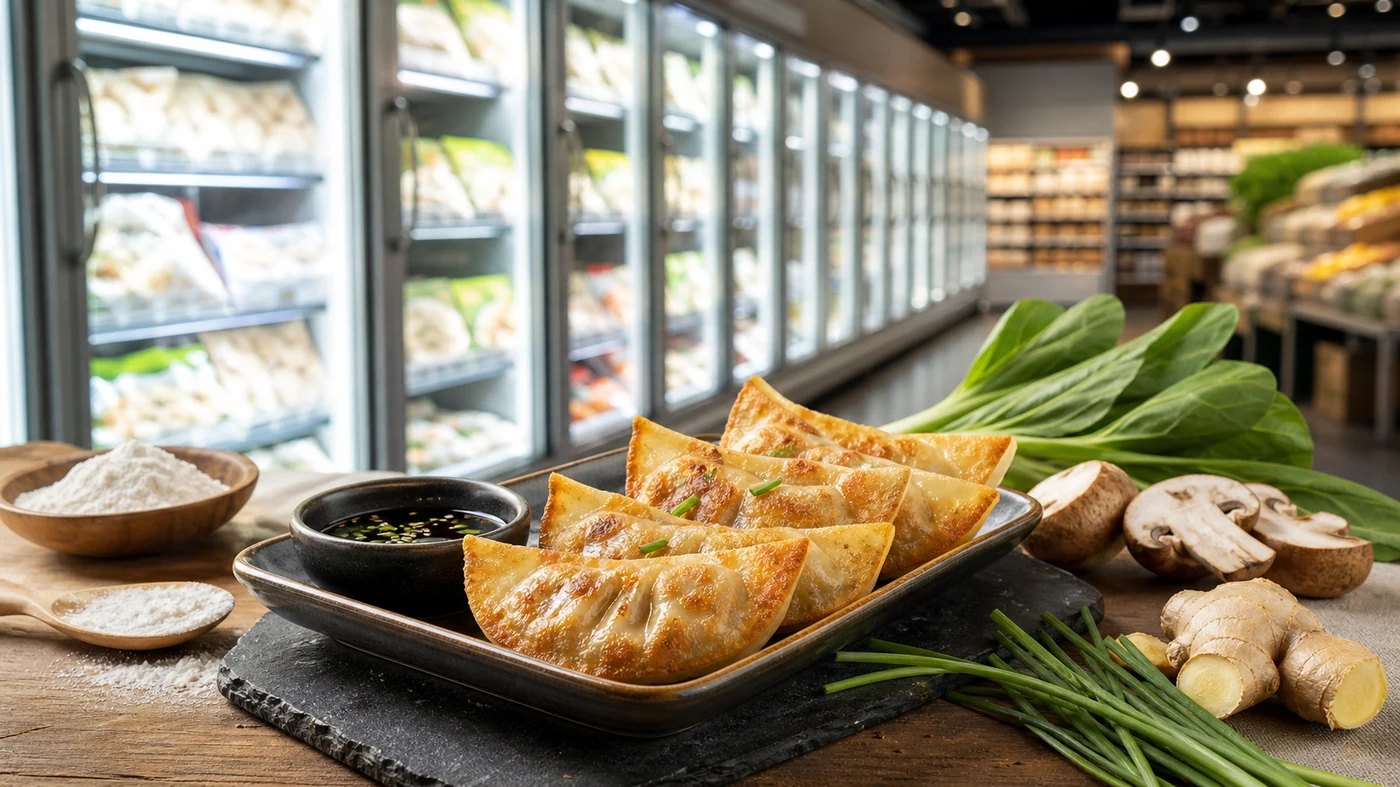
A retail demo should make frozen dumplings feel easy to trust. This guide is for natural grocers, specialty retailers, founders and food teams that want a clean, practical way to sample gluten-free dumplings without turning the freezer aisle into a crowded cooking show.
Why retail demos matter for frozen dumplings
A shopper can understand a frozen dumpling in three seconds if the demo is done well. They see the crisp bottom, smell ginger and chives, taste the wrapper, ask whether it is gluten-free and decide whether the bag belongs in the freezer at home. That moment is valuable because frozen food asks for a small leap of faith. The shopper cannot see the cooked texture through the freezer door. A tasting demo closes that gap. For ABC Dumplings, the demo is not only a sales tactic. It is a chance to show how American-born Chinese food memory, gluten-free wrappers, clean ingredient cues and practical weeknight cooking fit together in one warm bite. The goal is simple: help shoppers imagine dinner before they leave the aisle.
Choose one clear demo promise
A demo table should not try to say everything at once. Choose one promise the team can prove in real time. The cleanest promise for ABC Dumplings is that gluten-free frozen dumplings can cook from frozen into a satisfying, family-ready bite. That promise is specific. It does not claim the product is a medical solution, a cure, a weight-loss food or a certified fit for every kitchen. It says something a shopper can verify with eyes and taste. The FDA explains that foods labeled gluten-free in the United States must meet defined requirements, including a less than 20 parts per million gluten threshold when unavoidable gluten is present; the consumer guidance is available at FDA gluten-free labeling guidance. A demo should support that label language by encouraging shoppers to read the current package and decide based on their own needs.
Build the demo around the freezer
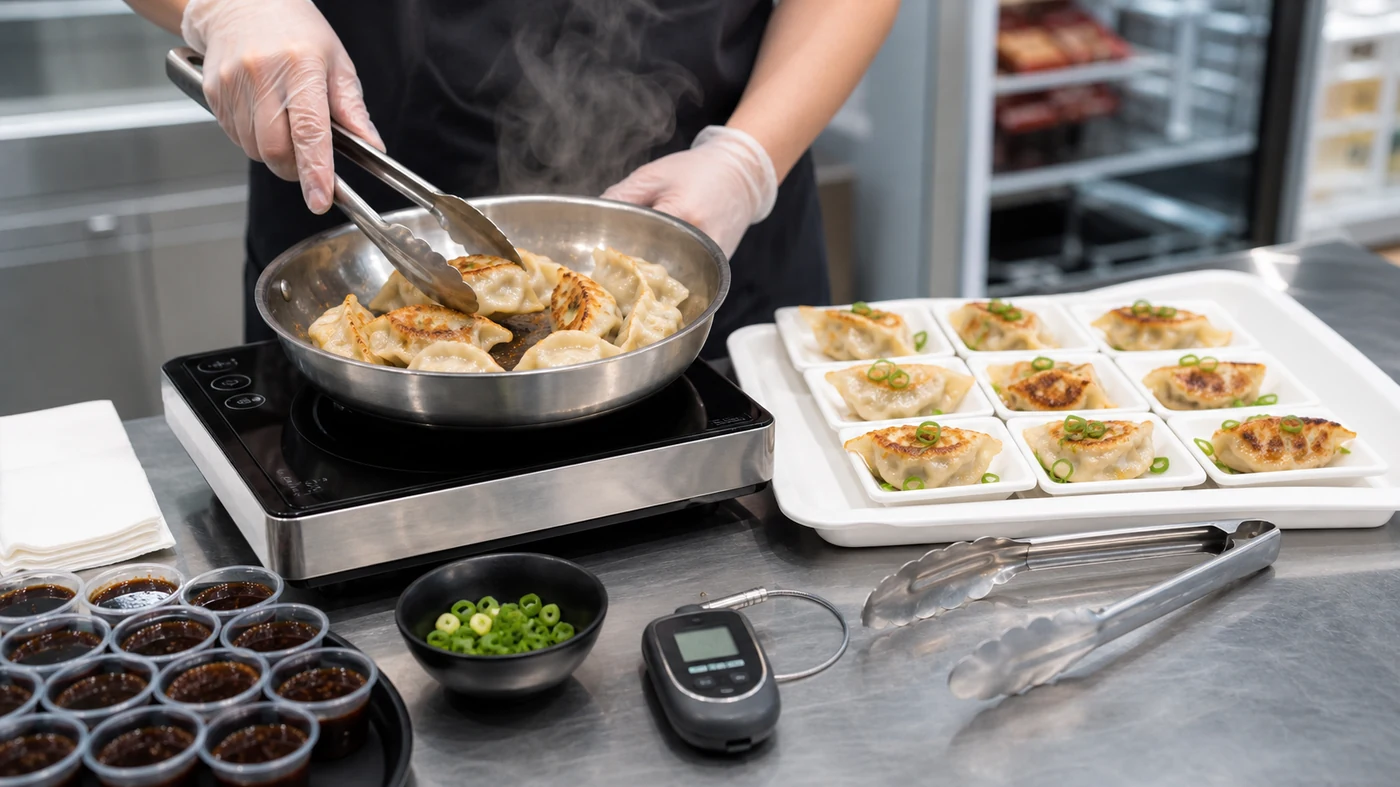
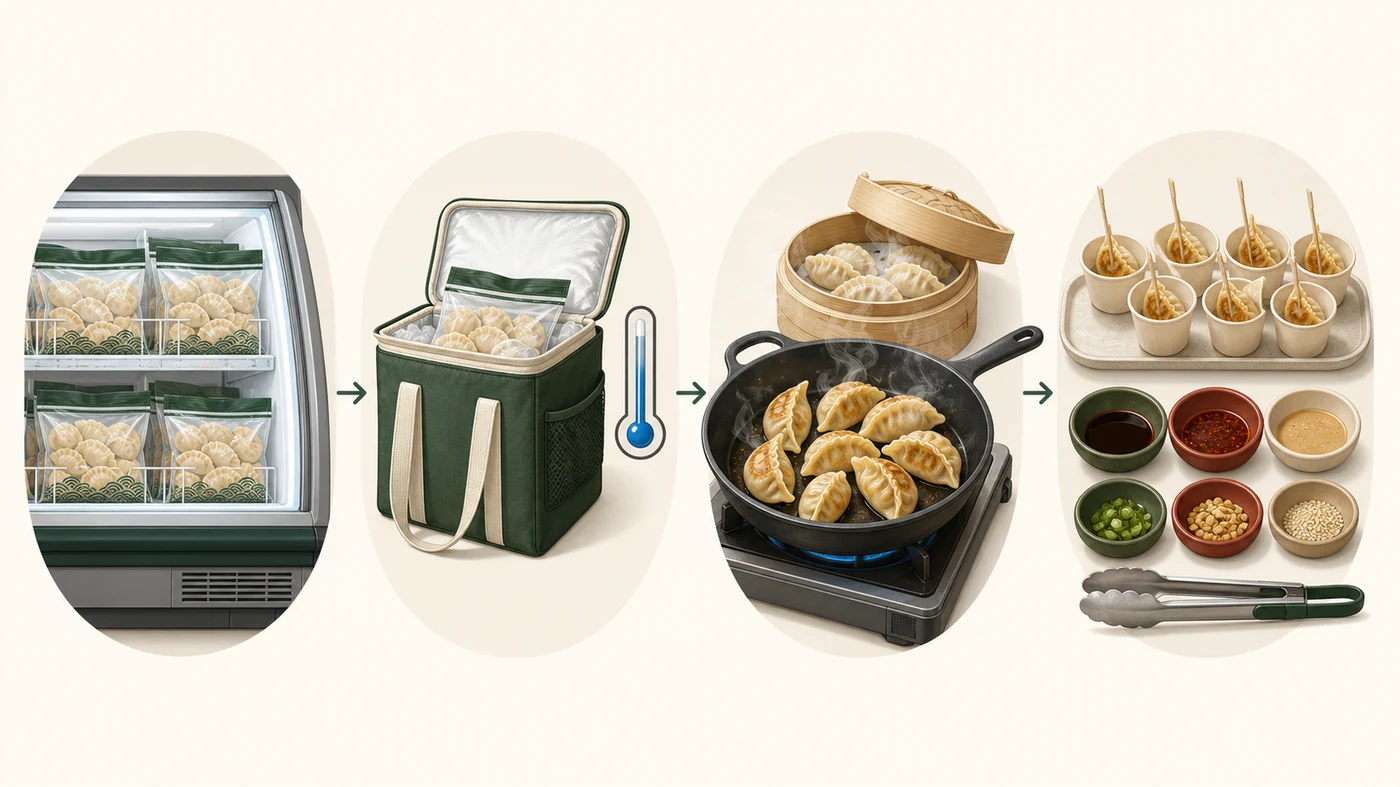
The freezer is part of the story, not the storage room behind the story. Keep the frozen bags close enough for shoppers to connect the sample to the product they can buy. Avoid hiding the package until the end. Show the freezer location, the flavor range and the cooking format in a simple sequence: freezer, pan or steamer, sample cup, home dinner idea. If the store allows a small sign, keep it practical rather than promotional. A useful message is about flavor, gluten-free wrapper, cook-from-frozen convenience and where to find the bag. Do not crowd the table with claims that require explanation. The more the demo looks like a real weeknight, the easier it is for shoppers to believe they can repeat it.
Practical note
For best results, cook only the amount you plan to eat, give each dumpling space and serve while the wrapper is hot. Small technique choices have a larger effect with gluten-free wrappers because the starch blend keeps changing as it cools.
Protect the cold chain before cooking
A demo can lose quality before the first dumpling reaches the pan. Frozen dumplings should stay frozen until the cooking setup is ready. If product has to move from the freezer to a demo station, use an insulated carrier, keep timing tight and avoid letting bags sit open at room temperature. USDA food-safety guidance explains that freezing keeps food safe by slowing the movement of microorganisms and enzymes, while quality can still change during storage and handling; see USDA Freezing and Food Safety. For demos, the practical takeaway is texture as much as safety. Partially thawed dumplings can stick, tear or steam unevenly. Shoppers judge the brand by that bite, so the prep flow has to protect the wrapper.
Cook one method very well
A demo station should use one method unless the team is trained and the store gives enough space. Pan-frying is the most theatrical because shoppers can see color and hear the sizzle. Steaming is calmer and can be useful where ventilation or oil rules are strict. Boiling is harder to demo neatly unless the store already has a soup or broth setup. Whatever method you choose, make it repeatable. Do not overcrowd the pan. Do not serve half-warm samples because a line has formed. Use a thermometer when appropriate, especially for meat dumplings. FoodSafety.gov lists 165 F as the safe minimum internal temperature for poultry, casseroles and leftovers on its safe minimum internal temperature chart. ABC Dumplings should stay conservative in public guidance: cook meat dumplings hot at the center, follow package directions and avoid guessing when serving shoppers.
Practical note
For best results, cook only the amount you plan to eat, give each dumpling space and serve while the wrapper is hot. Small technique choices have a larger effect with gluten-free wrappers because the starch blend keeps changing as it cools.
Keep allergen language careful and humble
Retail demos are public spaces, so allergen language has to be careful. The table can say gluten-free only in the way the package and brand support it. It should not imply that a shared store demo environment is free from every allergen or every cross-contact risk. The FDA identifies sesame as the ninth major U.S. food allergen under the FASTER Act, alongside milk, eggs, fish, Crustacean shellfish, tree nuts, peanuts, wheat and soybeans; the agency's explanation is available at FDA sesame allergen guidance. That matters because dumpling demos often include soy, sesame, chili crisp, sauces or shared utensils. The safest public posture is simple: invite shoppers to read the package, disclose what is being served, keep sauces separate and do not promise a sample is appropriate for a shopper with a serious allergy unless the brand and store can truly support that claim.
Use a small sauce plan
A demo sauce should make the dumpling taste better without taking over the conversation. One mild gluten-free tamari-style dip and one optional chili or vinegar note is usually enough. Too many sauces slow the line and create allergen confusion. Sesame oil, chili crisp, peanuts, wheat-containing soy sauce, fish sauce and bottled condiments can all change the allergen picture. If a sauce is served, give it its own spoon or pre-portion it in a cup. Never let shoppers dip into a shared bowl with used utensils. If the goal is to sell the dumpling, the sauce should be a supporting detail. A shopper should leave remembering the wrapper, the filling and the fact that dinner looked possible.
A practical retail demo checklist
Use this checklist before scheduling the demo and again on the morning of the event.
- Confirm the store's demo rules, permits, equipment limits, handwashing access and sampling procedures.
- Choose one cooking method and train the team to repeat it under time pressure.
- Keep frozen product frozen until cooking begins, with insulated backup if the station is away from the freezer.
- Use separate utensils for frozen product, cooked dumplings, sauces and sample cups.
- Cook meat dumplings hot at the center and use conservative food-safety language.
- Serve one flavor at a time or keep flavors on clearly separated trays.
- Keep sauce choices minimal and disclose likely allergens clearly.
- Place sellable product where shoppers can find it immediately after tasting.
- Track samples served, units sold, out-of-stocks, shopper questions and store feedback.
- Follow up with the buyer using facts, not hype.
Turn flavor questions into product education
Most shoppers ask simple questions: Is it gluten-free? Is it spicy? Is it vegetarian? How do I cook it? Where is the bag? The demo team should answer those questions in plain language and then point to the right page or freezer location. The bok choy, tofu and mushroom dumplings are the natural first answer for shoppers looking for a plant-forward option. The organic chicken and chive dumplings work well for families who want a familiar dinner anchor. The organic pork and chive dumplings bring a deeper savory comfort note. If a shopper wants to compare all flavors later, send them to the ABC Dumplings shop page. If they ask where to buy locally, the find us page and suggest a store page make that next step practical.
Merchandise the meal, not only the bag
A strong demo shows the complete dinner idea in miniature. Dumplings plus one sauce and one fresh side is enough. A small cucumber salad, steamed greens, rice, ginger broth or quick pickle gives the shopper a mental recipe without turning the demo table into a buffet. Retailers can place complementary items nearby when store rules allow it: tamari, rice vinegar, scallions, frozen vegetables, rice or broth. The point is not to push a complicated basket. The point is to answer the question shoppers have but rarely say out loud: what am I making for dinner if I buy this? When that answer is clear, the freezer product becomes easier to try.
Track demo economics without killing the hospitality
A tasting table should feel generous to shoppers, but the business side still matters. A food founder or retailer should know how many samples were served, how many bags sold during the event, which flavor moved fastest, how much product was used, whether the team ran out of sauce, and which objections repeated. Those facts help decide whether to repeat the demo, change the cooking method or adjust freezer placement. For a growing frozen-food company, clean books and inventory discipline are not glamorous, but they protect the ability to keep sampling and selling. This is where a food operator might naturally look for the best accounting firm if they need stronger tracking around demo costs, margins, stock, tax records or retail deductions. The link belongs here because sampling is both hospitality and math.
Give buyers a short post-demo recap
After the demo, the buyer does not need a long essay. Send a concise recap: date, store, hours sampled, flavor used, number of samples, units sold, shopper questions, any out-of-stock issue, team recommendation and next action. If shoppers asked for another flavor, say so. If many people asked whether the sauce was gluten-free, make that a packaging or signage note. If the pan-fried method outperformed steamed samples, document it. This kind of follow-up shows that the brand is easy to work with. It also helps the buyer justify freezer space because the demo produced usable evidence rather than only a pleasant afternoon.
Keep the public claims clean
Retail demos can tempt teams into exaggerated language because face-to-face selling feels informal. Resist that temptation. Do not say clean label means healthier unless the claim is defined and supportable. Do not imply gluten-free is better for everyone. Do not claim organic chicken or organic pork changes the nutritional outcome unless that claim is sourced and allowed. Do not use vague sustainability or green language as decoration. Keep the public message close to what the product can demonstrate: gluten-free wrapper, clear flavors, clean ingredient posture, American-born Chinese food memory, freezer convenience and reliable cooking. If a shopper has medical, allergy or dietary needs, direct them to the current package and their own qualified advisor rather than improvising advice at the table.
A California and U.S. grocery shopper lens
ABC Dumplings is especially easy to position for California and U.S. grocery shoppers who want practical freezer food without losing food culture. Many households are mixed-preference households: one person avoids gluten, one wants chicken, one wants pork, one wants vegetarian, and everyone still wants dinner quickly. A retail demo can show that the freezer is not a compromise zone. It can be a place where family memory and modern constraints meet. The demo table should feel premium but not precious: hot dumplings, clear flavor lanes, simple sauces, confident answers and a direct path to the freezer door. That is enough to make the product feel useful in real life.
Final takeaway
A good retail demo for gluten-free frozen dumplings is warm, controlled and specific. Keep the product frozen until cooking. Use one method well. Serve hot samples with simple sauce. Keep allergen language humble. Point shoppers toward the freezer, product pages and local availability. Track what happened after the smiles. The best demos do not pressure shoppers; they remove uncertainty. When someone tastes a crisp, hot dumpling and can picture cooking it at home on a busy night, the brand has done its job. ABC Dumplings has the right ingredients for that moment: freezer convenience, gluten-free structure, clean flavor cues and a story rooted in family food memory.