ABC Dumplings Journal
Protein, Vegetables and Flavor: Building a Smarter Dumpling Filling
A food education article on how vegetable moisture, protein sourcing, aromatics and cooking safety shape a better dumpling filling.
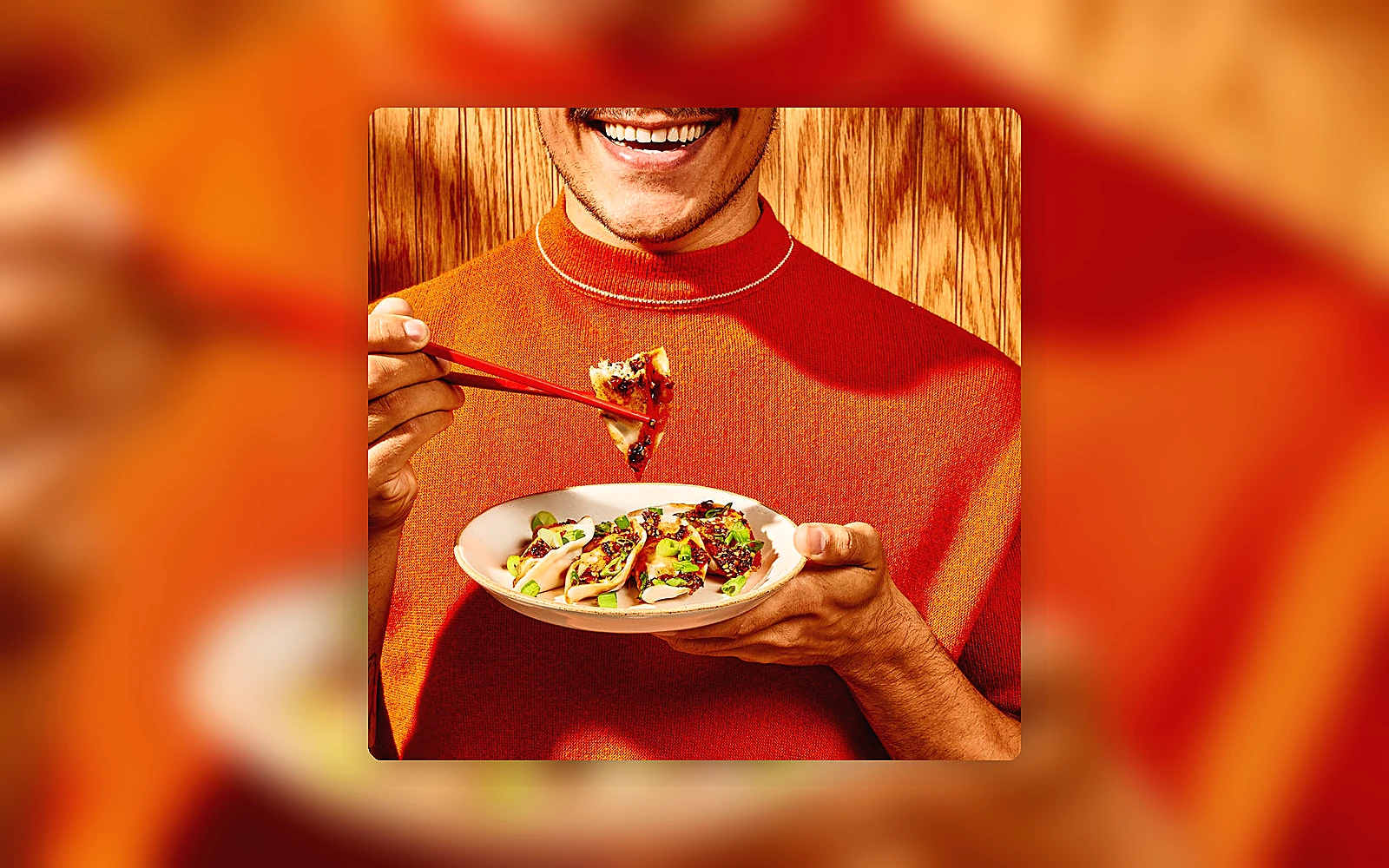
This guide is part of the ABC Dumplings journal. You can also organic chicken and chive dumplings or organic pork and chive dumplings while reading.
The filling is where agriculture becomes flavor
A dumpling filling is not just chopped ingredients sealed inside dough. It is where agriculture becomes flavor, texture and memory. Protein gives body. Vegetables bring water, color and freshness. Aromatics create identity. Seasoning ties everything together. In a frozen dumpling, the filling also has to survive mixing, forming, freezing, storage and cooking without becoming watery or dull. This is why a smarter filling is both culinary and technical. It should taste like food people recognize while behaving like a product that can perform reliably from freezer to table.
Vegetables do more than add color
Bok choy, garlic chives, mushrooms, carrots and scallions are not garnish when they are folded into dumplings. They change moisture, bite, aroma and perceived freshness. Bok choy can make a filling feel lighter. Chives add a green allium note that reads as classic dumpling flavor. Shiitake mushrooms bring umami and depth. The challenge is control. Vegetables contain water, and water can become steam, juiciness or leakage depending on how the filling is prepared. A good filling does not chase maximum vegetable content for its own sake. It balances vegetable freshness with enough structure to stay pleasant after freezing and cooking.
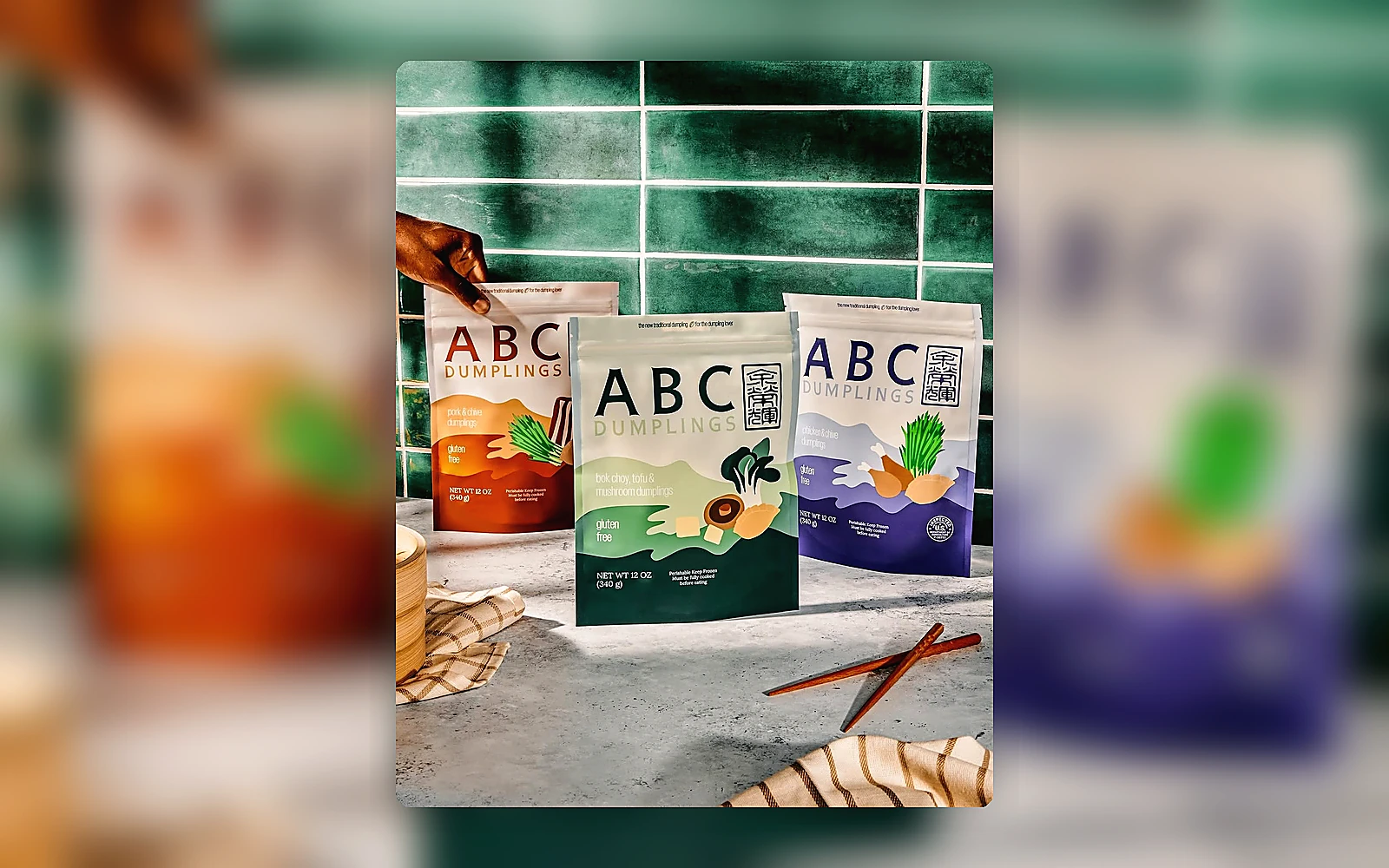
Protein sets the body of the bite
Chicken, pork and tofu each create a different center of gravity. Organic chicken and chive feels leaner and broth-friendly. Organic pork and chive feels deeper, rounder and more classic. Tofu with bok choy and mushroom can feel clean and vegetable-forward when the seasoning is strong enough. Protein sourcing affects the product story, but technique affects the eating result. The protein has to bind with vegetables, hold seasoning and cook to the right texture. Too loose and the dumpling feels wet. Too dense and it loses the tenderness people expect from comfort food. A smarter filling gives protein a role without letting it dominate the entire bite.
Practical note
For best results, cook only the amount you plan to eat, give each dumpling space and serve while the wrapper is hot. Small technique choices have a larger effect with gluten-free wrappers because the starch blend keeps changing as it cools.
Aromatics are the cultural signal
Ginger, garlic, garlic chives, sesame, tamari and five-spice notes do more than season. They tell the eater what kind of dumpling they are eating. A filling without aromatics can taste flat even if the sourcing is good. A filling with too much seasoning can taste loud and cover the ingredients. The best aromatic strategy is layered: ginger for lift, garlic for warmth, chives for green bite, tamari for umami, sesame for roundness and spice used with restraint. That balance keeps the dumpling tied to Chinese home-cooking memory while still fitting modern clean-label expectations.
Sustainability starts with fewer wasted bites
Food sustainability can become abstract quickly, but a dumpling gives it a practical frame. A product that cooks poorly creates waste because people do not finish it or buy it again. A filling that leaks in the pan wastes the sourcing work behind the ingredients. A flavor that needs heavy sauce to feel complete wastes the chance to let vegetables and protein speak. Sustainable thinking therefore includes taste, repeatability and freezer performance. It is not only about one claim on a package. It is about whether the whole product helps people eat well with less friction, fewer failed dinners and fewer forgotten ingredients in the refrigerator.
Practical note
For best results, cook only the amount you plan to eat, give each dumpling space and serve while the wrapper is hot. Small technique choices have a larger effect with gluten-free wrappers because the starch blend keeps changing as it cools.
Food safety belongs in the filling conversation
Filling quality also depends on safe handling and verified cooking. Raw meat, poultry and mixed fillings require clear separation before cooking and enough heat at the center. FoodSafety.gov safe-temperature guidance is already relevant to dumpling products that include poultry or mixed fillings, and USDA FSIS materials remind consumers that frozen foods still require proper handling once thawed or cooked. In a brand article, the tone should be practical: keep frozen dumplings frozen until cooking, avoid using raw-contact plates for cooked food, and verify heat when cooking meat fillings. Food safety is not separate from quality. It protects the meal and gives the cook confidence.
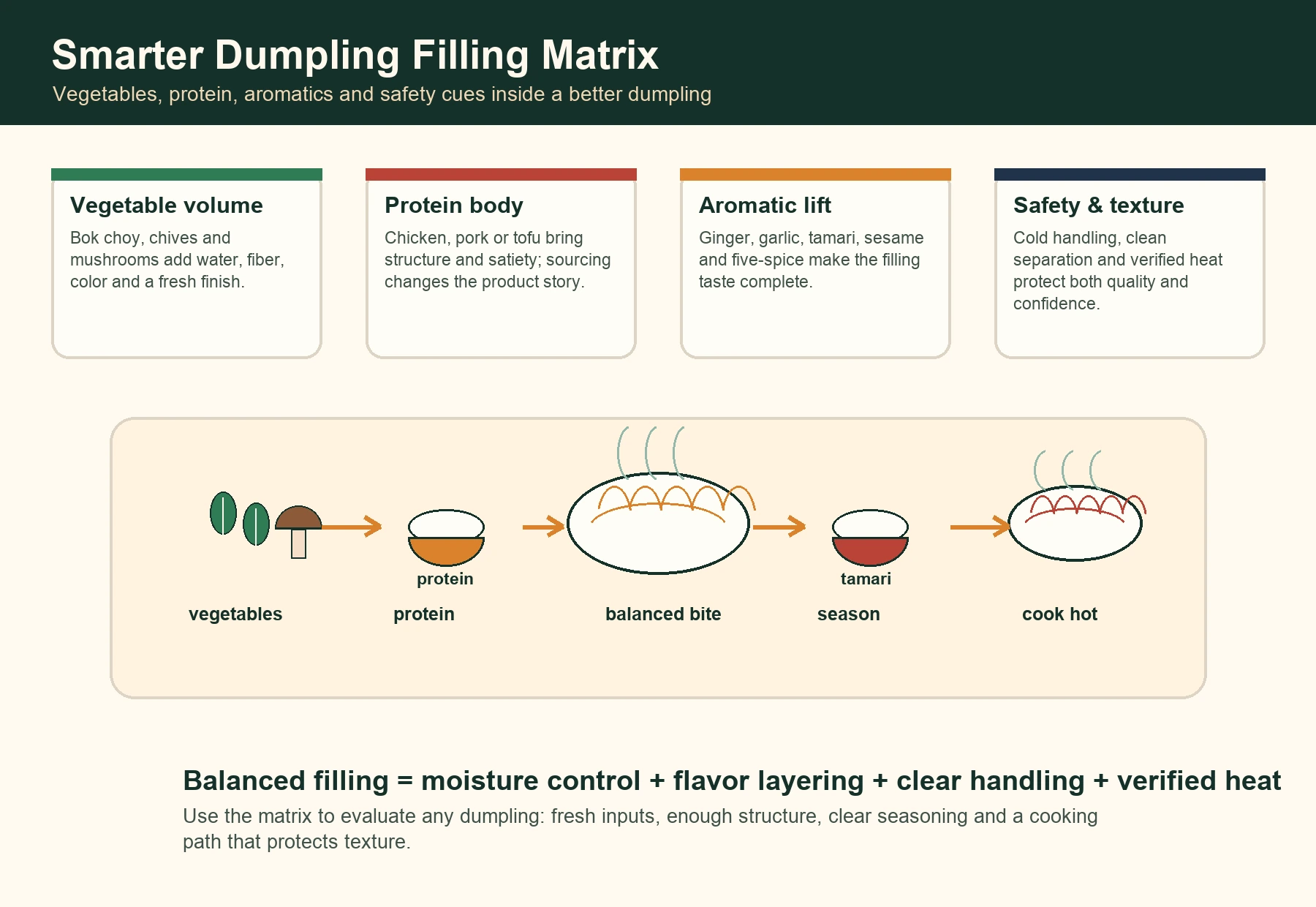
A filling matrix for better decisions
Use a simple filling matrix to understand why a dumpling tastes complete.
- Vegetable volume: enough greens and mushrooms to feel fresh, not so much that the filling leaks.
- Protein body: enough chicken, pork or tofu to give structure and satiety.
- Aromatic lift: ginger, garlic, chives and tamari layered without drowning the filling.
- Moisture control: juicy center, sealed wrapper and no puddle in the pan.
- Cooking confidence: clear instructions and a filling that reaches the table hot.
Why organic chicken and chive works
The organic chicken and chive dumplings work because the flavor idea is easy to understand. Chicken provides familiar comfort. Chives make the profile recognizably dumpling-like. Ginger, garlic, broth and tamari support the center without making the dumpling taste heavy. The filling is also flexible at the table. It can be steamed for tenderness, pan-fried for texture or served in a light broth. For shoppers who want a cleaner freezer dinner but still want a classic bite, chicken and chive is often the most approachable doorway.
Why organic pork and chive works
The organic pork and chive dumplings lean into a deeper comfort profile. Pork carries richness and pairs naturally with garlic chives, ginger and tamari. The challenge is keeping that richness balanced. A good pork dumpling should feel satisfying, not greasy. It should work with a bright vinegar-ginger dip or a clean cucumber side. This is where vegetable and aromatic balance matters. Pork can hold flavor strongly, but the best version still lets the chives speak. The result should feel classic enough for dumpling lovers and clear enough for modern ingredient-conscious shoppers.
The vegetarian filling has a different job
A vegetarian dumpling has to avoid the feeling that something is missing. Bok choy, tofu and mushroom solve that challenge through contrast. Tofu can give body. Bok choy gives brightness. Shiitake mushrooms bring savory depth. A good vegetarian filling often needs careful seasoning because vegetables and tofu can taste quiet after freezing. That does not mean the flavor should be forced. It means the filling should be built with enough umami, aroma and texture to stand beside chicken and pork options as a complete choice, not as a compromise for the person who does not eat meat.
Retail education should make the filling visible
In the freezer aisle, the filling is hidden. Packaging and content have to make it visible before purchase. That is why product names should be specific, photos should show appetite and blog articles should explain why the ingredients belong together. A retailer deciding whether to stock a dumpling brand wants to know more than flavor names. They want to know whether shoppers will understand the product quickly, whether the cooking method is simple and whether the story supports repeat buying. Filling education helps convert a sealed bag into a meal people can imagine.
Moisture control starts before mixing
Moisture control is not only a cooking issue. It starts when vegetables are chopped, proteins are seasoned and aromatics are added. Greens can release water after salting or freezing. Mushrooms can make a filling taste deep while also changing the liquid balance. Broth can make a meat filling juicy, but too much can weaken the seal. A smarter filling is built with these tradeoffs in mind. The goal is a center that feels juicy when bitten, not wet when cooked. That distinction is the difference between comfort and failure on the plate.
Batch consistency matters for retailers
For retailers, the best filling is not only delicious. It is consistent. A shopper who loves a first bag expects the second bag to behave the same way. That means the chop size, seasoning level, filling weight and wrapper seal all need discipline. Consistency also helps stores recommend the product with confidence. If cooking time, texture or flavor swing too much, staff and customers stop trusting the brand. A freezer item wins repeat purchase when the filling feels handmade in spirit but controlled enough to be reliable.
Build a plate that teaches the filling
The easiest way to educate a home cook is through the plate. Serve chicken and chive with clear broth, scallions and a bright ginger dip. Serve pork and chive with cucumber, vinegar and a small amount of chili. Serve bok choy, tofu and mushroom with greens, rice and tamari so the vegetable profile stays visible. The sides should make the filling easier to understand. They should not compete with it. When the plate is built this way, every meal becomes a quiet explanation of why the filling was designed as it was.
Use sauce as evidence, not disguise
A filling that needs to be hidden under heavy sauce is sending a warning. Sauce should reveal what is already there: chive brightness, mushroom umami, ginger warmth, pork depth, chicken broth or tofu softness. For food education, this is a simple tasting exercise. Try the first dumpling with no sauce, the second with a mild tamari-ginger dip and the third with heat or vinegar. If the filling remains clear across all three bites, the formula is doing its job. If the only memorable flavor is the condiment, the filling needs more balance.
The takeaway
A smarter dumpling filling is balanced before it is sealed. It respects agriculture by using vegetables, proteins and aromatics for clear reasons. It respects the cook by freezing and heating reliably. It respects the table by tasting complete without needing a complicated sauce plan. For ABC Dumplings, this is the strongest way to talk about sustainability and food education: connect sourcing to flavor, connect flavor to technique and connect technique to the actual meal. When the filling works, the dumpling feels small, warm and simple. The thinking behind it is anything but accidental.